Aftermarket
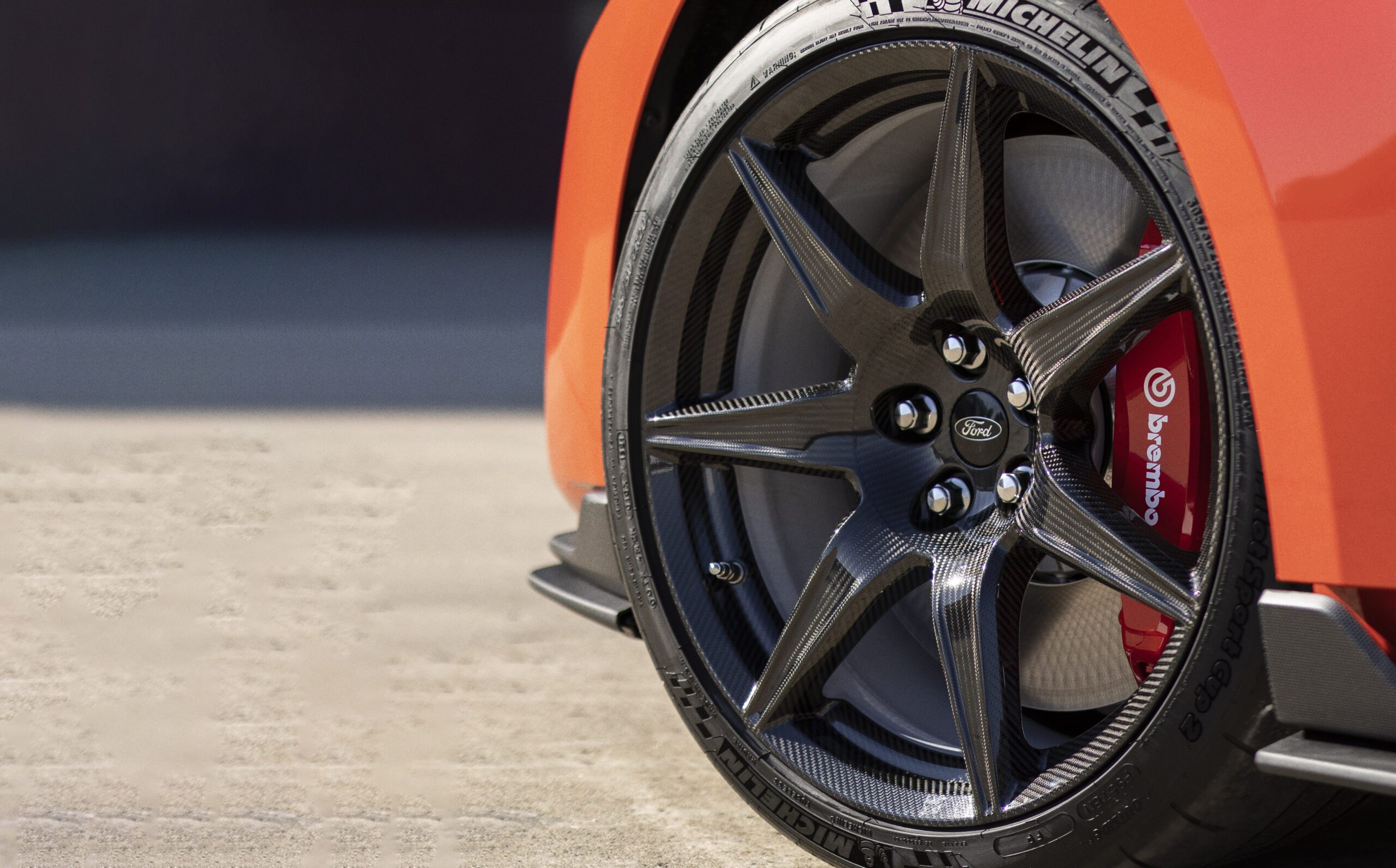
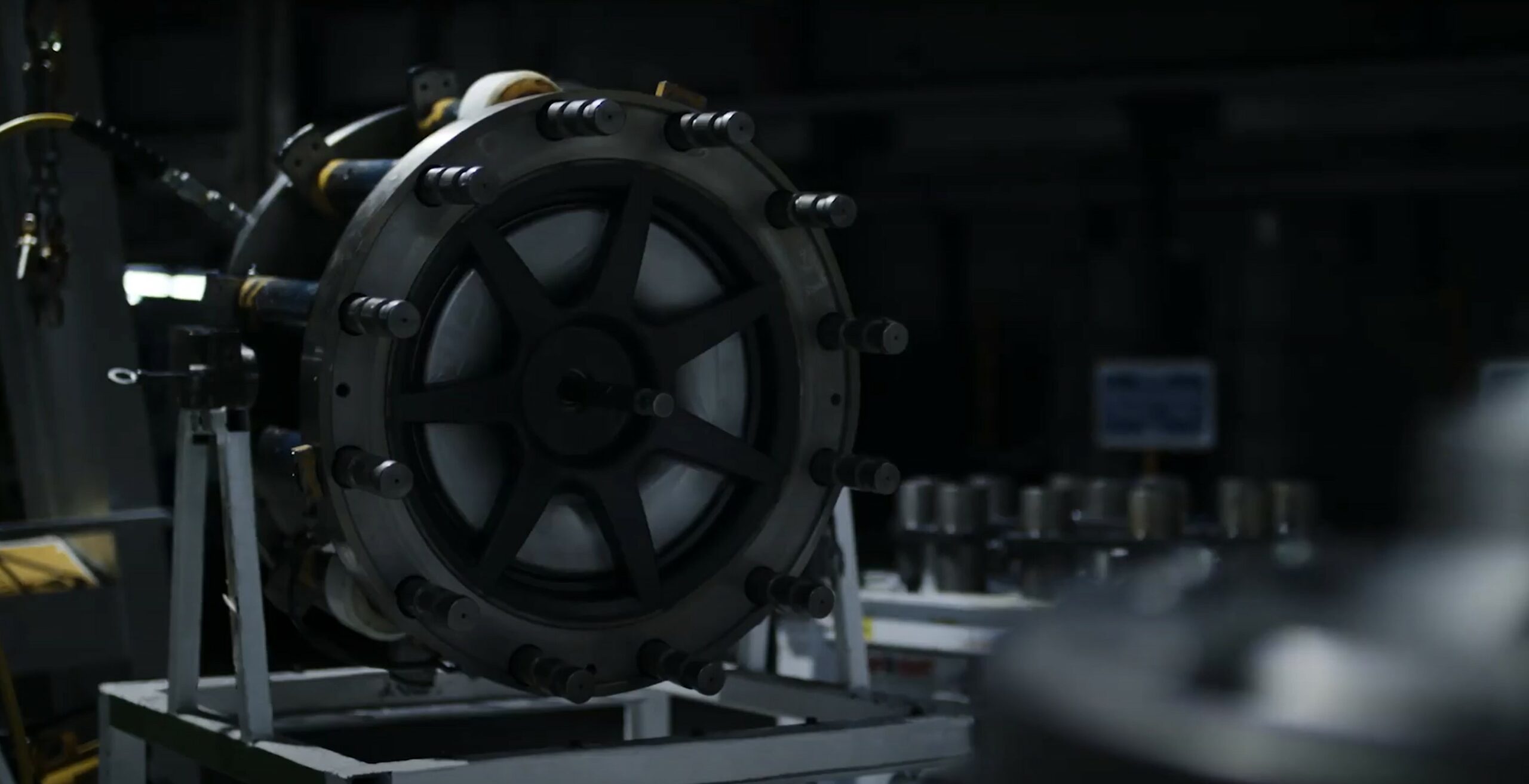
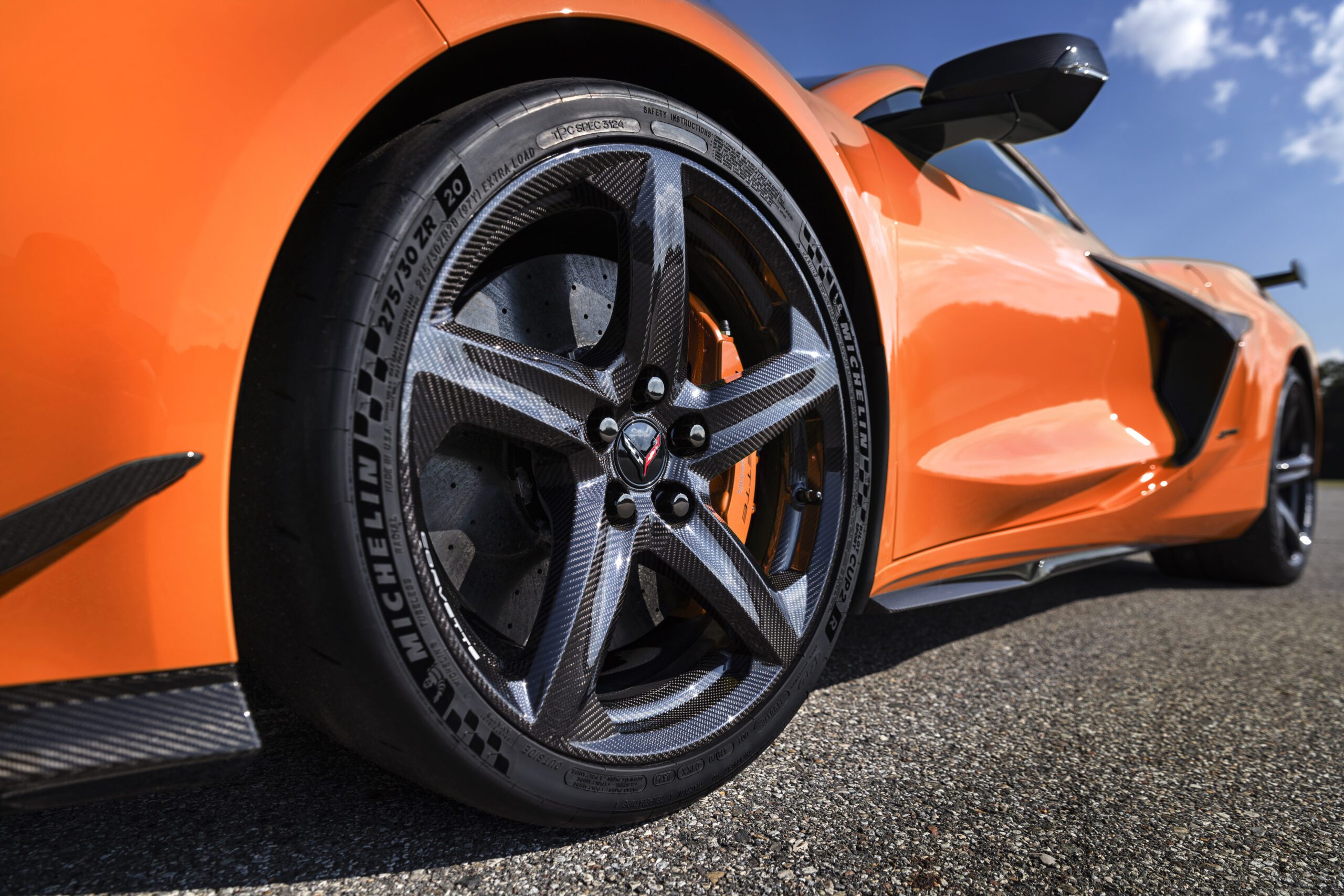
For the first time ever a one-piece carbon fiber wheel is being brought to the market. Automotive enthusiasts can now experience this super lightweight aerospace grade product.
Step change reductions in the rotating, unsprung mass of a vehicle deliver a number of important performance enhancements —
- Increased acceleration
- Reduced stopping distance
- Improved steering, handling and response
- Improved mechanical grip
- Reduced road noise
- Reduced fuel consumption
After years of research and development, Carbon Revolution has released a product that exceeds the performance requirements of industry standard tests whilst delivering unparalleled weight savings and the associated benefits. Performance is everything, but it's also hard to ignore the stunning visual impact of a full one-piece carbon fiber wheel.
OEM
In partnership with its research and industry partners, Carbon Revolution has conducted extensive analysis and modelling to quantify the efficiency and emission reduction benefits of reducing rotating, unsprung vehicle mass.
This has shown that significant efficiency benefits are achievable through a simple “bolt-on” application of this technology and that even greater efficiencies can be accessed through full integration to a vehicle given secondary mass benefits.
Aerodynamic designs can add significantly to the overall efficiency equation. Unlike metals, with composite materials little or no weight compromise is required to deliver aero efficiency.
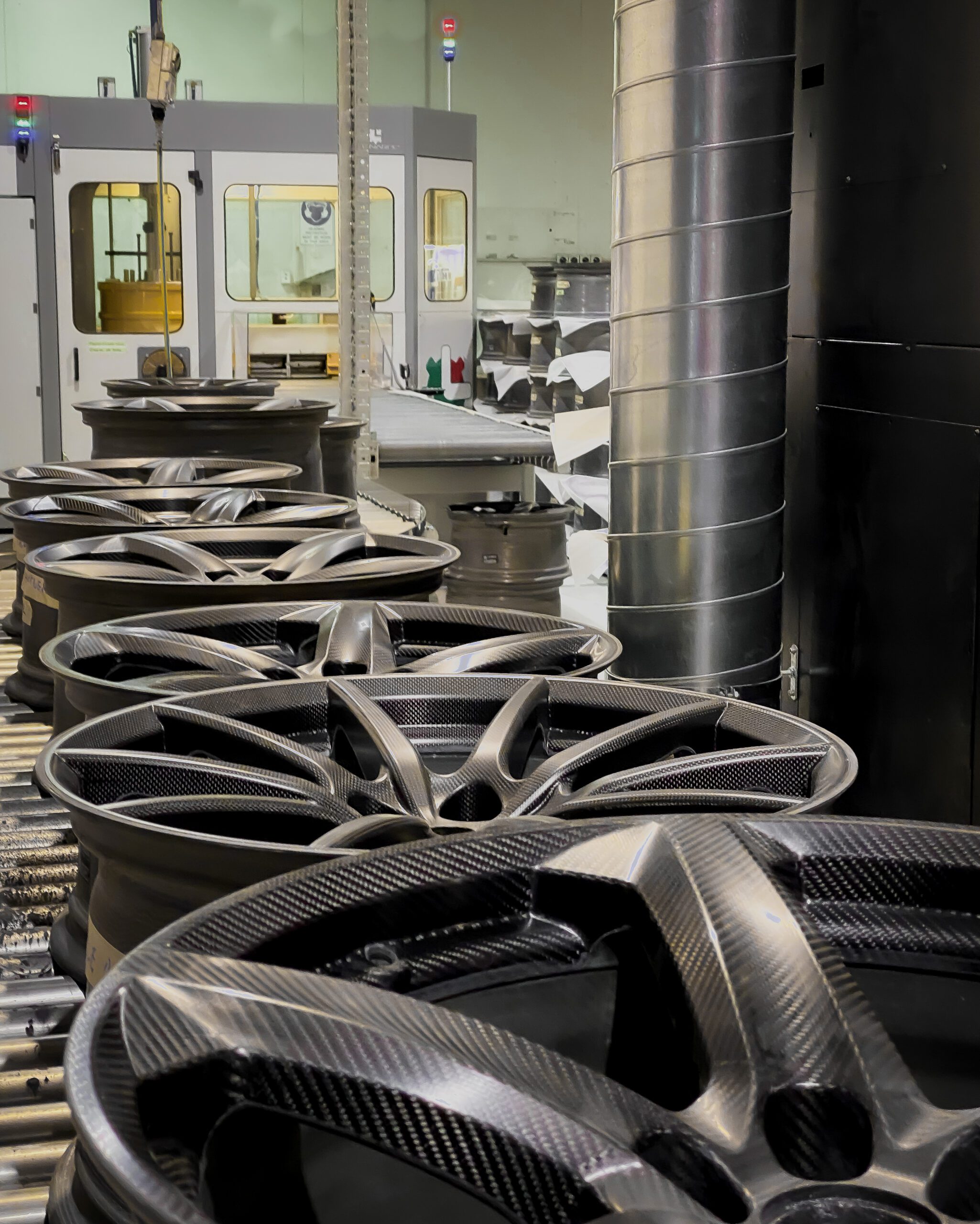
By exceeding the performance requirements of industry standard tests and OEMs, Carbon Revolution has ensured that the significant efficiency benefits offered by this technology are available to vehicle manufacturers globally. This will help to meet fleet emission targets and combat the effects of climate change. High volume applications of this technology are feasible due to Carbon Revolution's design flexibility and efficient and controllable process.
Motor Sports
With the application of advanced computational modeling tools during the early phases of design, such as Finite Element Modeling (FEA) and full vehicle dynamic modeling, this technology can be specifically tailored to high performance applications.
Motorsport specific requirements include extreme cornering and braking loads at elevated temperatures due to brake heat on the track. These specified conditions are included as requirements in the rigorous, multi-stage design process. This ensures that the lightest possible product is developed for the required application. Testing and validation to these requirements in certified laboratories and on the track, completes the product development process.
Aerospace
The commercial aviation industry is in the middle of a technology S-curve which is driving the widespread adoption of carbon fiber. The efficiency and lifecycle benefits from carbon fiber's superior fatigue, specific strength, and specific stiffness properties make it perfectly suited to aerospace applications. In addition, composite structures are well suited to aerospace environments due to their high resistance to corrosion and other forms of environmental deterioration.
Carbon Revolution has undertaken significant development in this area and is focused on establishing its carbon fiber composite wheel technology as a leading lightweight technology for the next generation of aircraft and as a retro-fit option for today's fleet of commercial and military aircraft.
Industrial
Industrial, military and commercial operations demand minimum operating costs, and lower through-life servicing costs. The high specific strength and stiffness of carbon fiber composites deliver lighter wheel designs than ever before which delivers notable fuel savings. In addition, the fatigue performance and corrosion resistance delivers considerable through life cost benefits.
Carbon Revolution's highly efficient manufacturing process and strong focus on quality control will result in the broad application of this technology to the global freight and logistics industry.